📑
The research behind stimulus ratings
Studies by Dimitri Christakis (Seattle Children's Research Institute) and the American Academy of Pediatrics link fast-paced media to attention difficulties in children under 3. The AAP recommends avoiding screen time for children under 18 months except video chatting, and choosing slow-paced, educational content for ages 2-5. Our stimulus ratings help you identify which content fits those guidelines.
Our stimulus scale
1
Very low stimulus
Mister Rogers, Kipper the Dog, old nature documentaries
2
Low stimulus
Bluey, Bing, classic Sesame Street, Peppa Pig
3
Medium stimulus
Paw Patrol, most standard children's animation
4
High stimulus
Most post-2015 preschool shows
5
Very high stimulus
Cocomelon, Little Baby Bum, Baby Shark content
Scores are generated by AI using genre, network, release year, and show overview as signals. Confidence is rated high, medium, or low on each page. Learn more about our methodology.
🟩 Very low stimulus
Rated 1/5 — the calmest content available
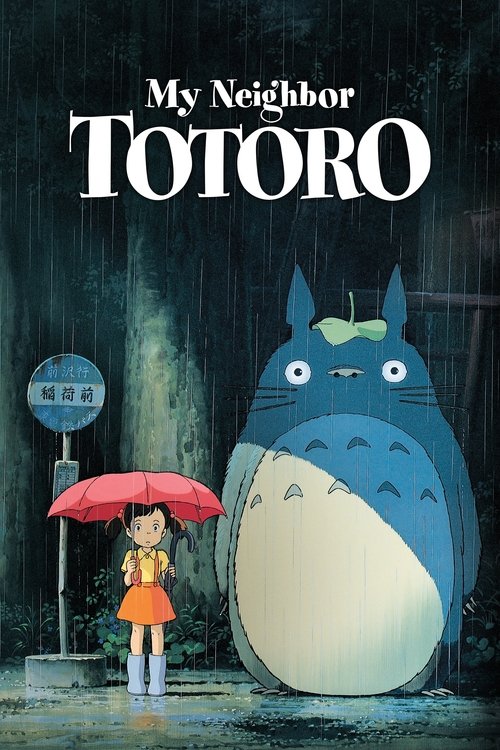
Movie
My Neighbor Totoro

TV Show
Sex Education

TV Show
Chernobyl

Movie
It's a Wonderful Life

TV Show
13 Reasons Why

TV Show
You

TV Show
Sex and the City

TV Show
Downton Abbey

TV Show
Little House on the Prairie

TV Show
Maid

TV Show
The Morning Show

TV Show
Columbo
🟪 Low stimulus
Rated 2/5 — calm pacing, suitable for toddlers

Movie
WALL·E

TV Show
Breaking Bad

Movie
E.T. the Extra-Terrestrial

Movie
Howl's Moving Castle

Movie
Wonder
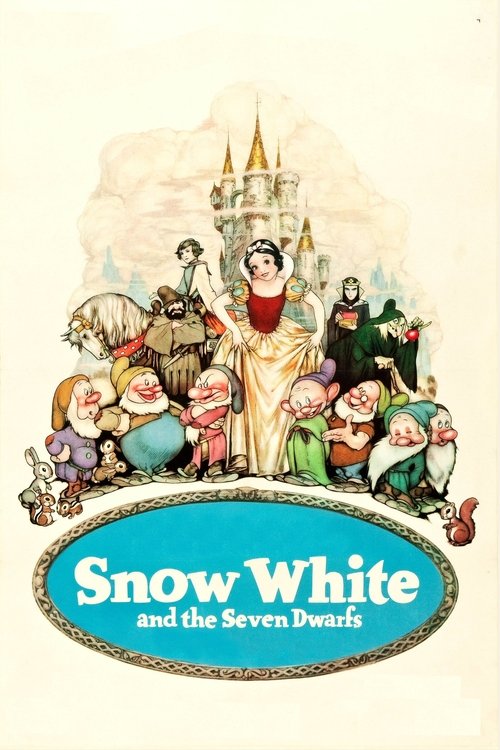
Movie
Snow White and the Seven Dwarfs

Movie
Cinderella

Movie
Hachi: A Dog's Tale

Movie
Cinderella

TV Show
One Hundred and One Dalmatians

Movie
The Jungle Book

TV Show
Better Call Saul
🎬 Low-stimulus movies
Films with calm pacing appropriate for young children
Movie
My Neighbor Totoro
Movie
It's a Wonderful Life

Movie
The Jackie Robinson Story

Movie
A Long Goodbye

Movie
Village of Dreams
Movie
WALL·E
Movie
E.T. the Extra-Terrestrial
Movie
Howl's Moving Castle
Movie
Wonder
Movie
Snow White and the Seven Dwarfs
Movie
Cinderella
Movie
Hachi: A Dog's Tale
Looking for something specific?
Search our full database — every TV show page shows the stimulus rating when available.
🔍 Search all content